Shoe Box Platform Capacity: Optimize Your Location!
Shoe Box Platform Capacity: Optimize Your Location!
Blog Article
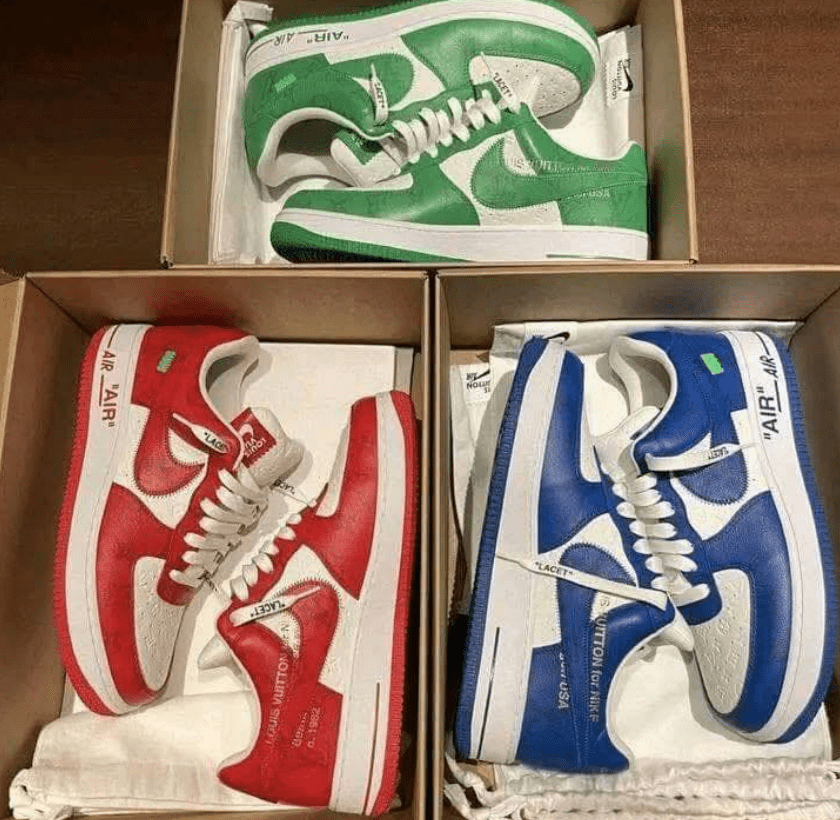
Effectively managing your storage box pallet space is vital for any facility. Improving the quantity of boxes you can stack onto each pallet directly impacts productivity and minimizes operational expenses. Consider elements like box dimensions, weight limits, pallet design, and safe moving procedures to achieve optimal compaction. A well-planned system will let you hold greater amounts of items in the same footprint.
Self-Made Trainer Organizer : Upcycling Wooden Skids for Stylish Storage
Tired of a cluttered entryway? Give those neglected wooden pallets a second life with this simple and budget-friendly DIY shoe rack project! Building your own footwear display from reclaimed pallets is an easy way to add both functionality and rustic charm to your home. You’ll be amazed at how a few basic tools and some creativity can turn discarded materials into a beautiful piece of furniture. Here's what you'll need:
- A few pallets
- Sandpaper (various levels )
- Fasteners
- Blade (optional, for resizing)
- Paint or sealant (optional, for aesthetics)
Buying Shoes in Bulk? A Guide to Pallet Purchases
Considering obtaining shoes in large quantities? Securing pallet loads of footwear can be a lucrative opportunity for retailers, resellers, or even online businesses. However, it's not without its challenges. This guide will investigate the key aspects of buying shoes on pallets – from finding reputable sources to understanding quality and assessing potential profitability. Before you agree to a bulk shoe purchase, meticulously consider these points.
- Research the source's reputation and history.
- Comprehend the grading system – are they new, blemished, or discount items?
- Calculate shipping costs and potential storage space.
- Create a marketing strategy to sell the inventory.
Purchasing a Crate of Shoes : What You Must Know Before You Commit
Considering getting a pallet of shoes? It can seem like an amazing opportunity, but it's crucial to be informed before you commit. These pallets often contain mixed styles, sizes, and conditions – ranging from brand new to slightly used or even damaged items. It’s likely encounter a wide variety of brands, which can be fantastic if you’re looking for a diverse inventory, but disappointing if you have specific customer preferences. Closely examine the supplier's description and photos – don’t hesitate to ask questions about the contents; knowing the ratio of new vs. used footwear is vital for profit margin calculations. Also, be prepared to handle returns or offer discounts on imperfect pairs - customer satisfaction remains key even with wholesale goods.
The Shoes from the Pallet: Pricing , Sourcing & Logistics
Acquiring Nike shoes in pallet quantities represents a significant outlay for many retailers and resellers. The expense varies dramatically depending on the models involved – limited edition or vintage styles command a much higher sum than standard offerings. Procuring these pallets usually involves direct contact with liquidation companies, outlet stores, or occasionally, auction platforms; however, finding genuine Nike product requires diligent verification to avoid copyright merchandise. Logistics pose a further challenge: pallets are heavy and bulky, how many shoe boxes fit on a pallet necessitating specialized equipment and potentially incurring substantial freight charges out of distribution centers – often located overseas – which affects overall profit margins. Thorough planning regarding customs clearance and import duties is also essential for a successful operation.
Turning Crate to Earnings : Guidance for Bulk Nike Shoes
Venturing into the booming wholesale Nike shoe market can be a fantastic venture, but it requires careful planning and smart strategies. Securing those coveted bulk deals isn't always simple; you’ll need to build strong relationships with vendors . Start by researching the current market trends—what styles are highly sought after? Identifying demand is key. Then, focus on finding reliable sources; explore liquidation sites, factory outlets, and direct importers, always verifying their authenticity to avoid copyright merchandise. Negotiating competitive pricing is crucial – don’t be afraid to negotiate. Consider these essential points:
- Completely vet your suppliers for legitimacy.
- Study market demand before making large purchases.
- Learn the art of negotiation to secure better prices.
- Utilize effective inventory management techniques to minimize storage costs and prevent obsolescence.
- Develop a strong online presence or network with retailers to distribute your products effectively.
Finally, remember that legal compliance – including proper import documentation and sales tax – is absolutely essential for long-term success.
Report this page